
What are Installation Cables?
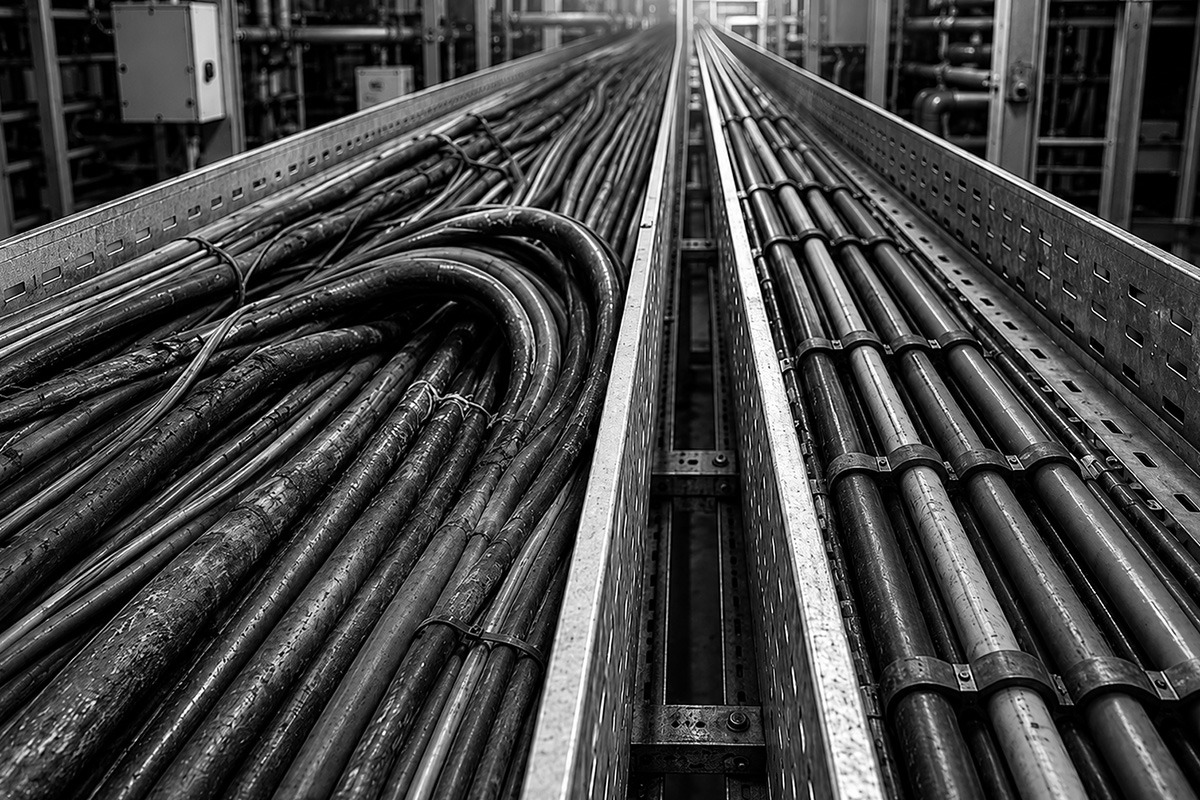
Installation cables are electrical cables designed for fixed wiring systems in buildings, infrastructure, and industrial environments. They are used to distribute electricity safely and efficiently in permanent installations.
These cables are a core part of electrical systems in residential buildings, commercial facilities, and industrial plants.
Where are Installation Cables Used?
Installation cables are widely used in:
- Residential building wiring
- Commercial buildings (offices, malls, hospitals)
- Industrial electrical systems
- Infrastructure and utility projects
- Underground and indoor fixed installations
Main Types of Installation Cables
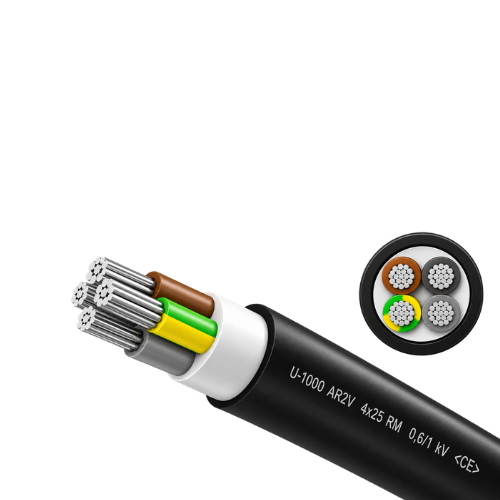
1. PVC Installation Cables
Most common type used in building wiring systems.
- Flexible or rigid conductors
- Suitable for indoor installations
- Cost-effective solution
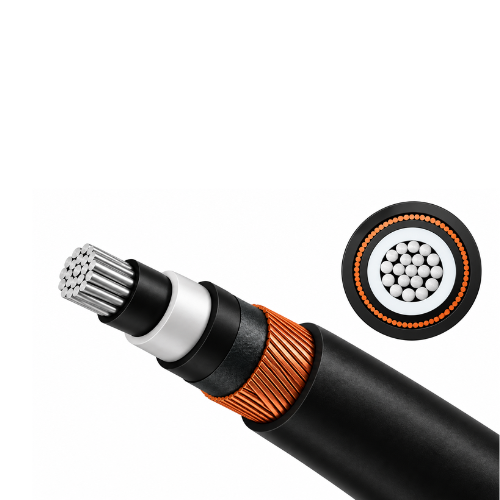
2. XLPE Installation Cables
Used for higher temperature and voltage resistance.
- Higher thermal performance
- Longer lifespan
- Industrial-grade applications
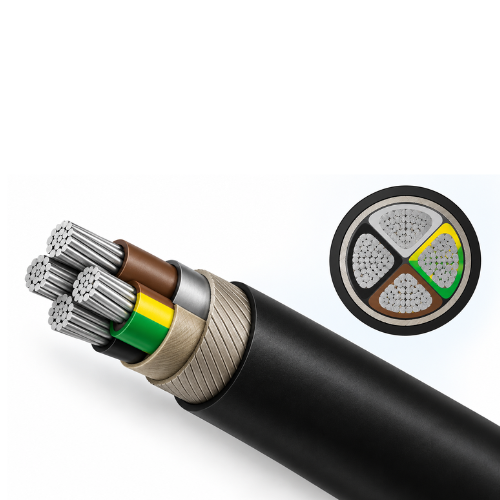
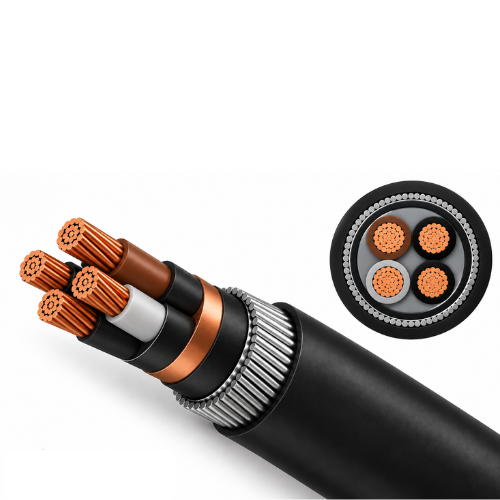
3. Armoured Installation Cables
Used where mechanical protection is required.
- Steel wire armouring (SWA)
- Suitable for underground installation
- High durability
4. Concentric Cable Systems
Used in utility distribution networks.
- Integrated neutral conductor
- Common in public grid connections
Technical Features
When selecting installation cables, consider:
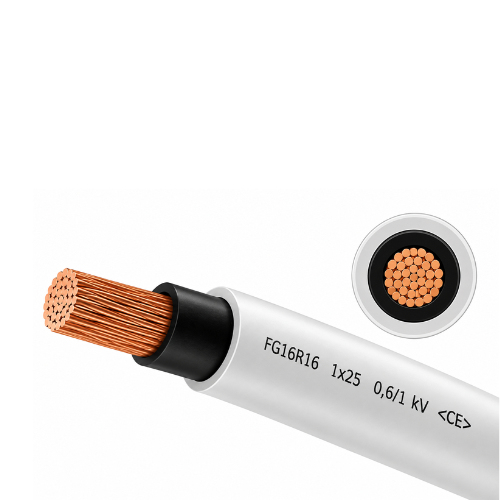
- Conductor material (Copper / Aluminium)
- Voltage rating (typically 0.6/1kV)
- Insulation type (PVC / XLPE)
- Fire resistance requirements
- Installation environment
Standards and Compliance
Installation cables are manufactured according to:
- IEC standards
- EN standards
- VDE regulations
- Local electrical installation codes
These standards ensure safety, performance, and reliability in electrical systems.
Why Installation Cables are Important
Installation cables are critical because they:
- Ensure safe power distribution
- Reduce electrical losses
- Improve system reliability
- Meet regulatory safety standards
- Support modern infrastructure development
Technical Documentation
Always verify technical datasheets before installation to ensure correct selection of cable type, cross-section, and insulation.
Recent Comments