
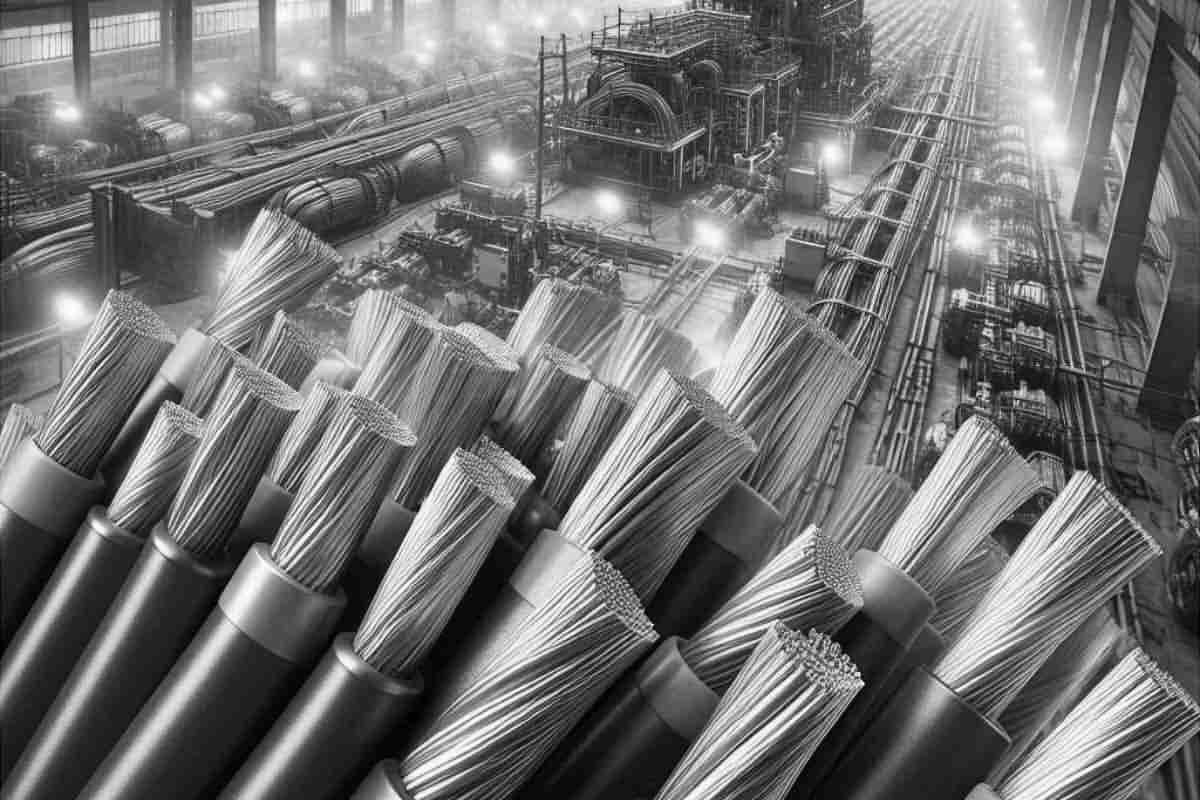
Power cables are essential components in electrical distribution systems, used to transmit electricity in residential, commercial, and industrial installations. They are designed to carry electrical current safely and efficiently across different voltage levels and environments.
In this category, you will find technical guides, applications, and product insights about power cables used in modern infrastructure projects across Europe and global markets.
What are Power Cables?
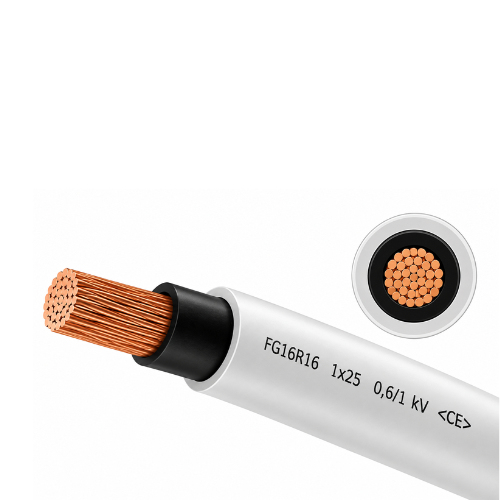
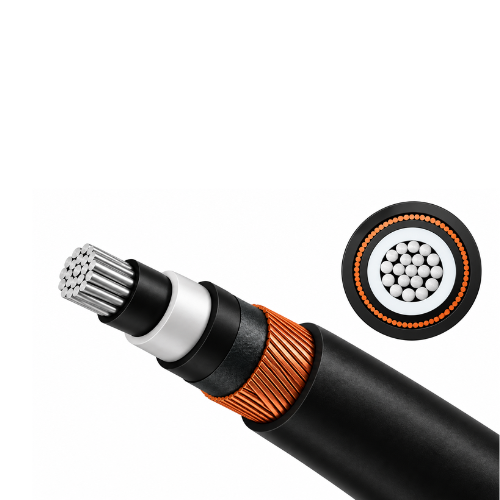
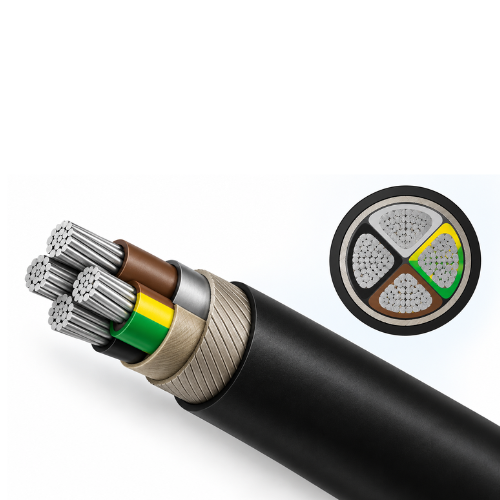
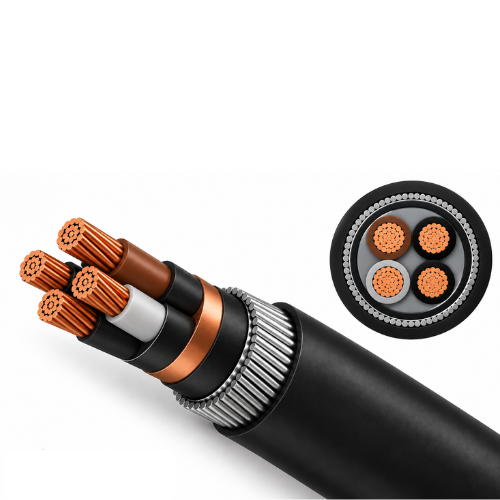
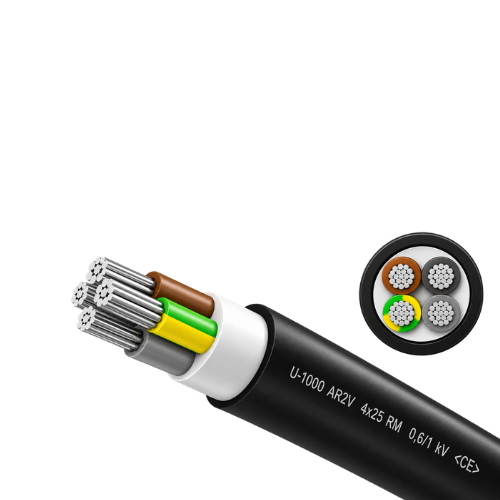
Power cables are insulated electrical cables designed to transmit electrical energy from one point to another. They typically consist of:
- Copper or aluminium conductor
- Insulation layer (PVC, XLPE, etc.)
- Protective sheath
- Optional armouring for mechanical protection
They are used in low, medium, and high voltage systems depending on the application.
Applications of Power Cables
Power cables are used in a wide range of industries:
- Construction and building installations
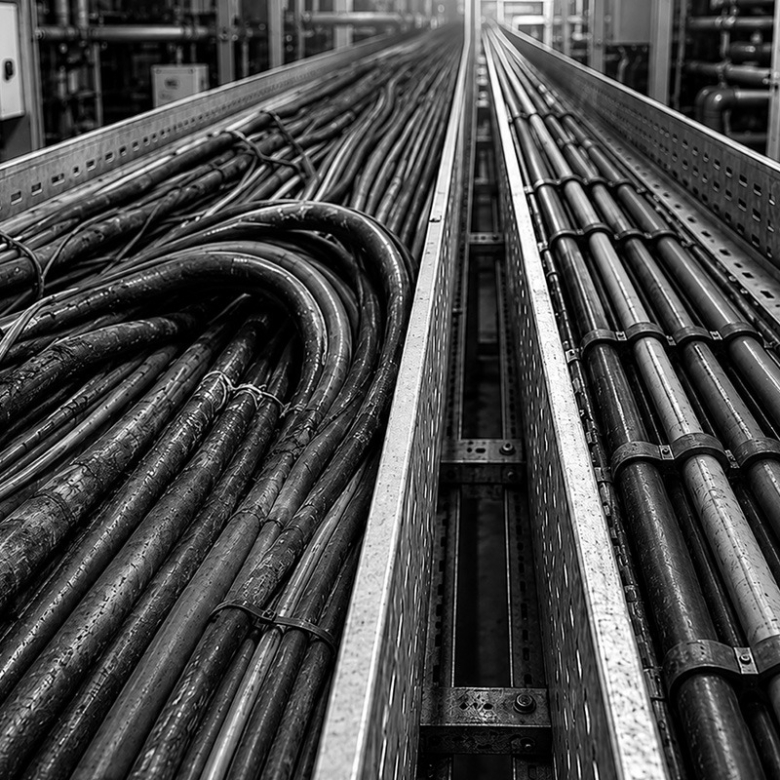
- Industrial plants and factories
- Underground power distribution networks
- Energy infrastructure projects
- Telecom and utility systems
Types of Power Cables
Common types include:
- Low voltage power cables (0.6/1kV)
- Medium voltage cables
- Armoured power cables
- Unarmoured installation cables
- Concentric conductor cables (e.g. NYCY)
Key Technical Features
When selecting a power cable, consider:
- Voltage rating
- Conductor material (Copper / Aluminium)
- Cross-section size
- Insulation type
- Installation environment
Industry Standards
Power cables are manufactured according to international standards:
- IEC standards
- EN standards
- VDE regulations
- National electrical codes
Download & Technical Documentation
For detailed specifications, always refer to datasheets and technical documentation before installation.
Najnoviji komentari